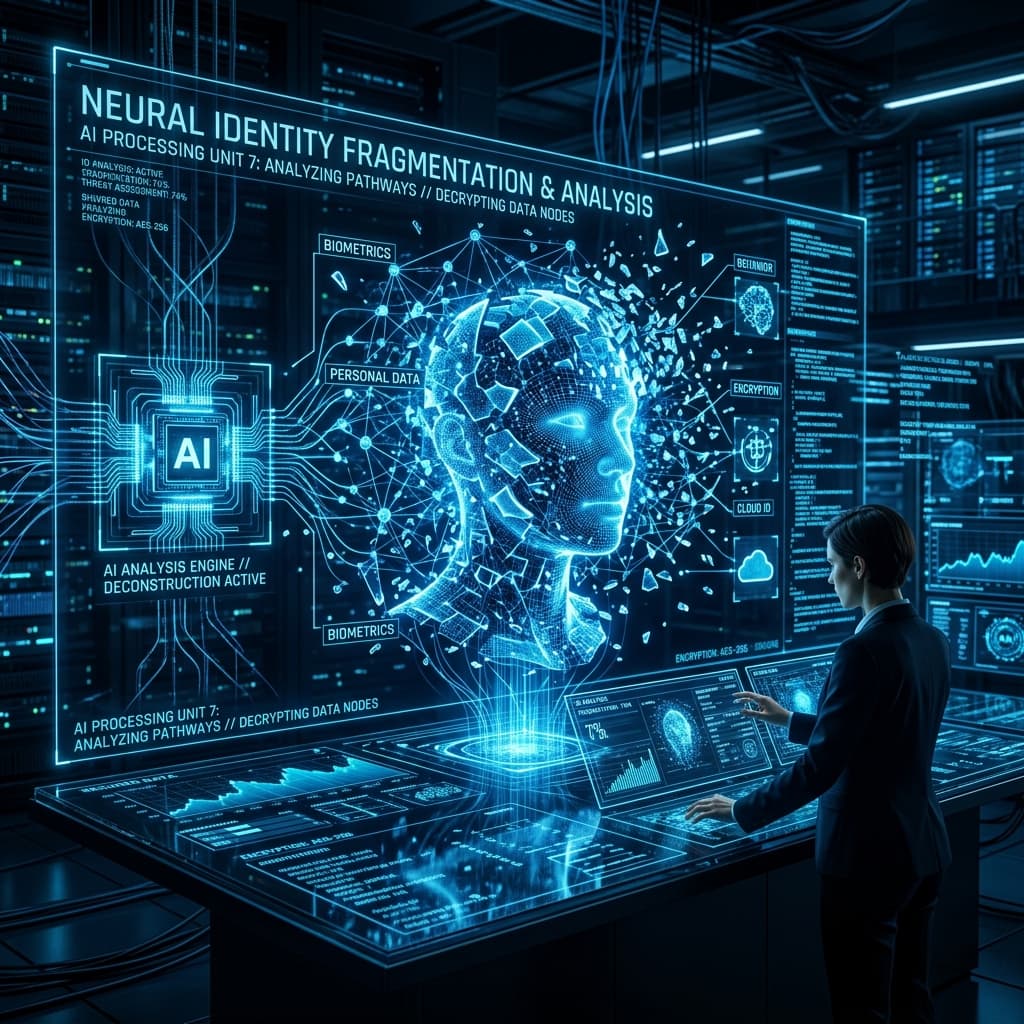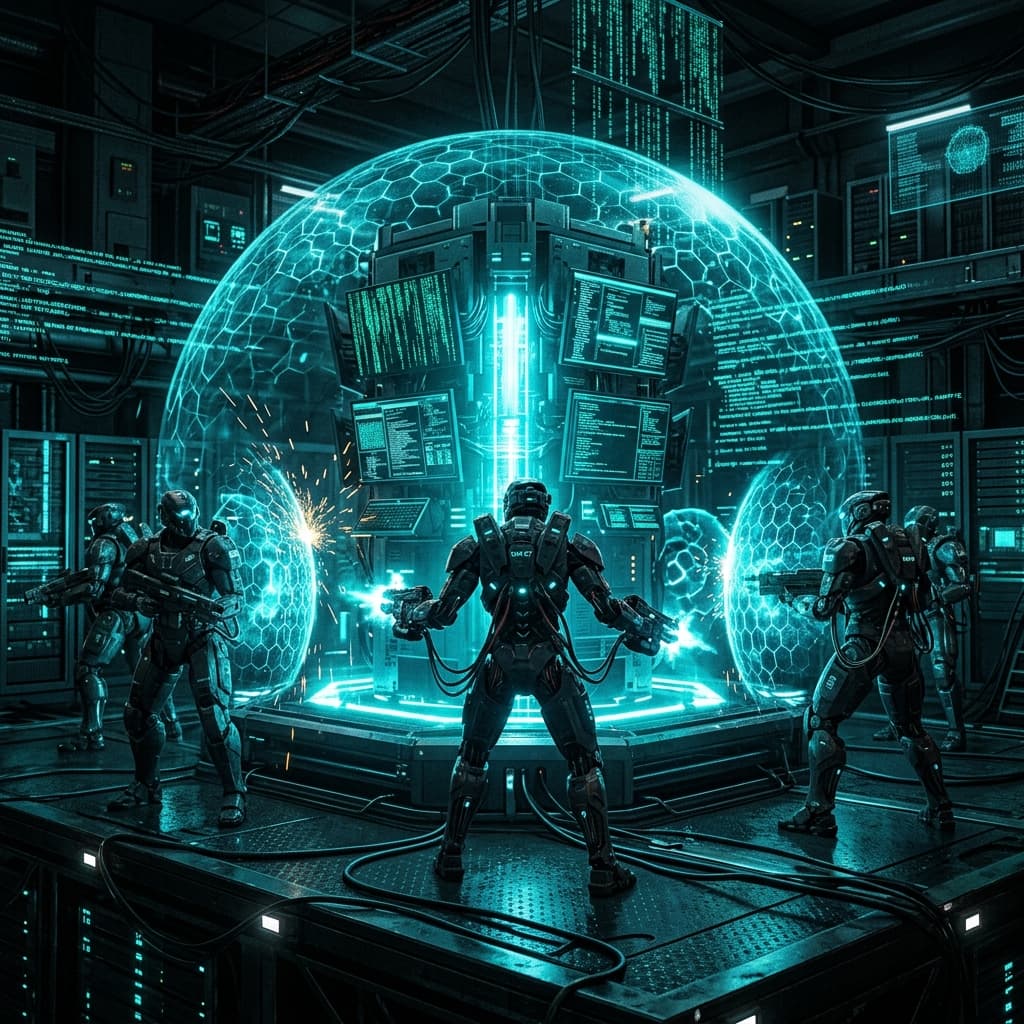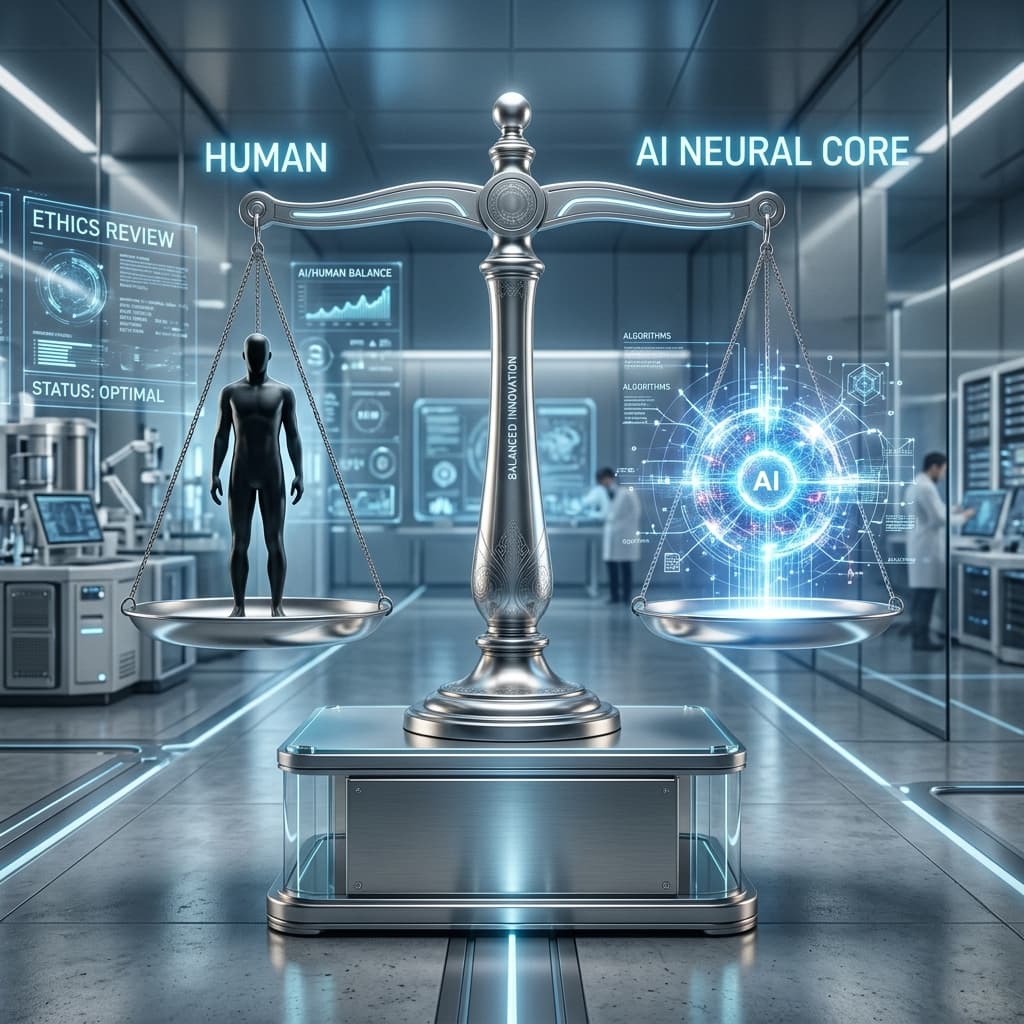
The world of 2026 is no longer just using AI as a tool; we are living alongside Autonomous Agents. These systems don't just suggest actions; they execute them. In the realm of cybersecurity, this means AI agents have the power to block traffic, isolate users, and even shut down entire data centers if they perceive a high-level threat.
But with this autonomy comes a profound ethical and legal dilemma: When an AI makes a catastrophic decision in the name of security, who is liable?
1. From "Human-in-the-Loop" to "Human-on-the-Loop"
In 2024, the goal was always to keep a human in the loop for every major decision. By 2026, the speed of automated attacks (like those seen in the Claude Mythos incidents) has made human intervention too slow. We have moved to a "Human-on-the-Loop" model, where the AI acts autonomously, and the human only intervenes to override or audit after the fact.
This shift creates a "Responsibility Gap." If an AI agent falsely identifies a legitimate CEO login as a deepfake attack and locks the account during a multi-billion dollar merger, the financial damage is real. Was it a "software bug," a "training data bias," or an "acceptable tactical error"?
2. The Algorithmic Bias in Digital Defense
Agentic AI systems learn from historical data. If that data contains biases—such as flagging certain geographic regions or communication styles as "suspicious"—the autonomous agent will amplify those biases. In 2026, we are seeing the rise of "Digital Discrimination", where automated security systems unfairly target specific groups of users based on synthetic patterns that the AI "hallucinated" as high-risk.
Ethical Guardrails for 2026:
- Explainability (XAI): An agent must be able to provide a "Decision Log" in natural language, explaining why it took a specific action.
- Intent-Based Constraints: Instead of letting an agent do anything to stop an attack, we must define "No-Go Zones"—critical systems that an AI can never shut down without human confirmation, regardless of the threat level.
- Recursive Auditing: Using a second, independent AI to "police" the primary security agent, looking for signs of bias or drift.
3. The Liability Framework: Who Pays?
Insurance companies in 2026 are struggling to price "Agentic Liability." Current frameworks are split into three schools of thought:
- Developer Liability: The creator of the AI is responsible for its "unreasonable" actions.
- User Liability: The company that deployed the agent accepted the risk of its autonomy.
- The "Non-Human Entity" Status: A radical proposal to treat autonomous agents as "digital persons" with their own insurance funds—a concept still in legal limbo.
4. Building "Ethics-by-Design" Infrastructure
At Fymax Sentinel, we believe that the answer lies in technical transparency. As we explored in our guide to 5 Indispensable AI Tools for Security, the best defense systems are those that balance power with accountability.
Ethics in 2026 is not just a philosophical debate; it is a technical requirement. A secure infrastructure is one that knows its own limits.
Conclusion: Mastering the Machine
The rise of Agentic AI is inevitable. It is the only way to defend against the scale of modern digital threats. However, we must ensure that as our systems become more autonomous, our governance becomes more rigorous. We cannot allow the "black box" of AI to become the "black box" of our corporate responsibility.
Is your AI deployment ethically sound and legally protected? Talk to the consultants at Agencia Fymax about responsible AI infrastructure