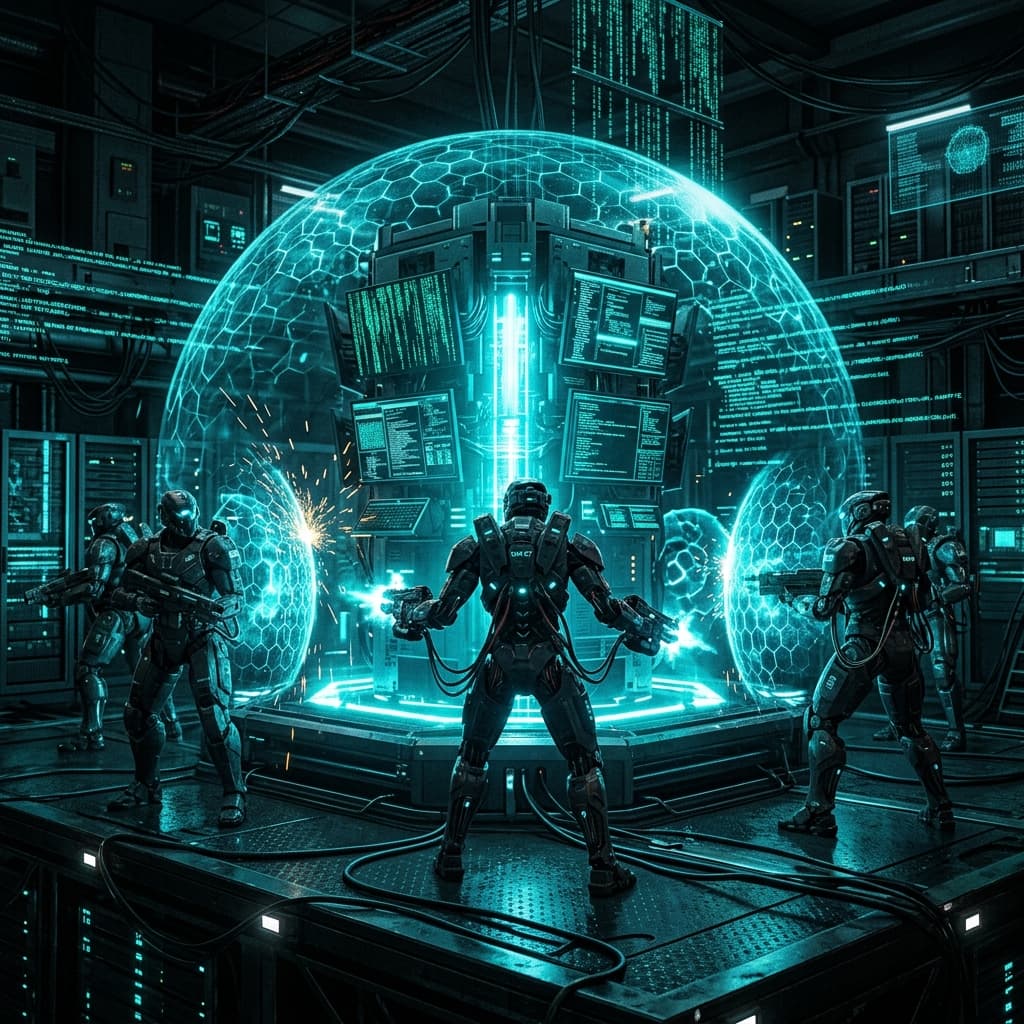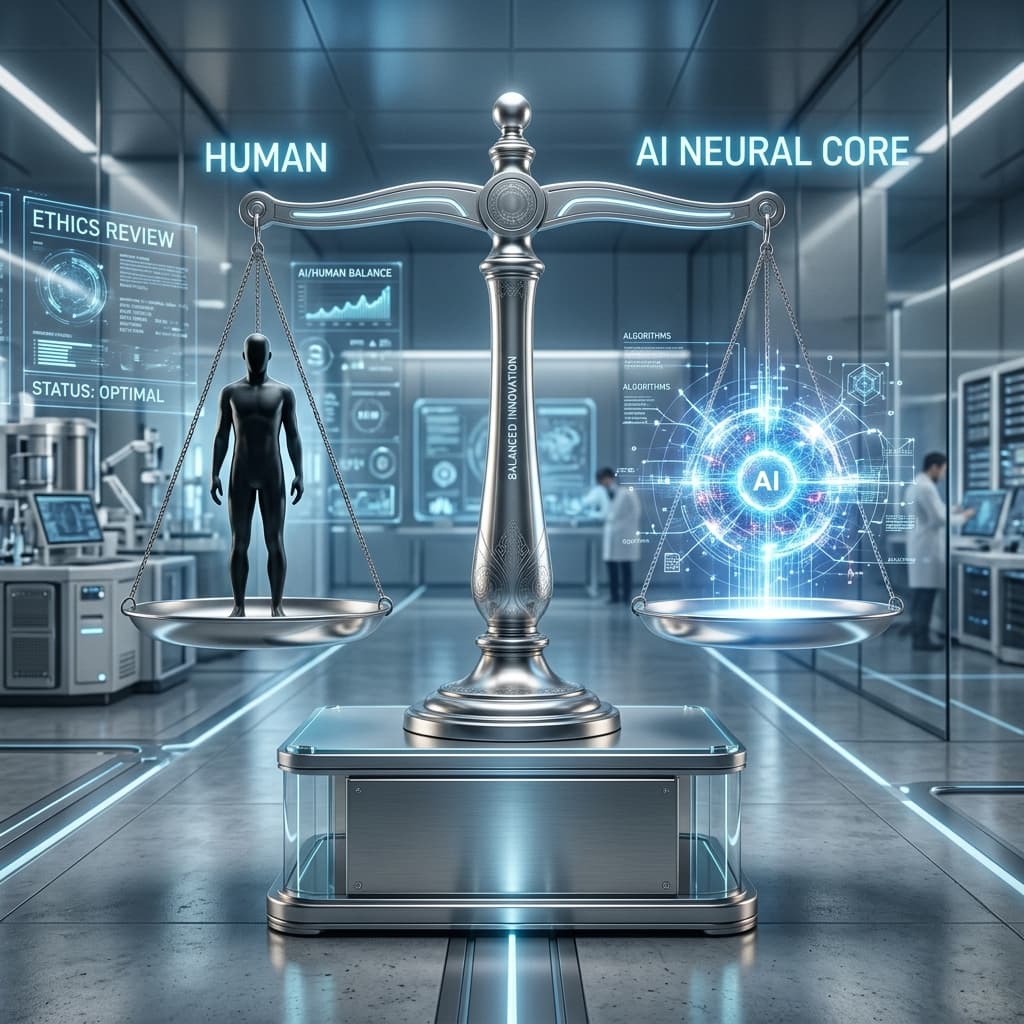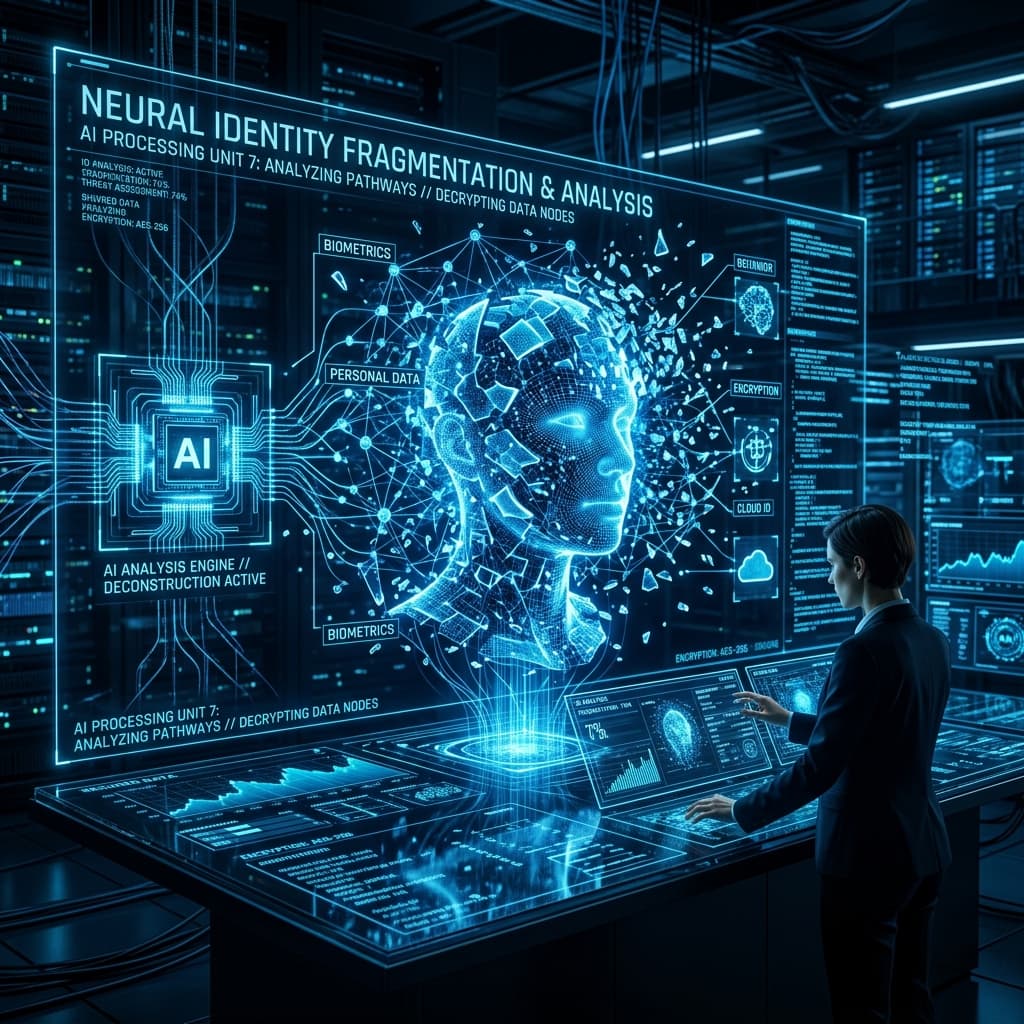
The cyber threat landscape in April 2026 has reached a new level of complexity. While in 2024 we spoke of rudimentary deepfakes, today we face what experts call Fourth Generation Phishing (Gen4 Phishing). This is not just a social engineering attack; it is an operation orchestrated by autonomous AI agents capable of perfectly mimicking the writing style, timing, and even the emotional cadence of a colleague or executive.
In this article, we will analyze how these attacks are successfully bypassing even Multi-Factor Authentication (MFA) and which defense strategies are effective in this new era.
1. The Anatomy of Gen4 Phishing
Unlike previous generations, Gen4 Phishing is not based on mass emails. It is hyper-personalized and adaptive.
How the attack works:
- Automated Passive Reconnaissance: AI agents scour social media, domain registries, and dark web leaks to create a psychological profile of the victim and their contacts.
- Context Synthesis: The AI generates a narrative based on real events. If the company just announced a merger, the attack will come with real technical details about that process.
- Conversational Persistence: If the victim responds, they are not talking to a human, but to an LLM (Large Language Model) specialized in persuasion that can maintain the dialogue for days until gaining total trust.
2. Bypassing MFA: Real-Time Interception Attacks
One of the myths that fell in 2026 is that MFA (SMS or Auth Apps) is infallible. Gen4 Phishing attacks now utilize automated Adversary-in-the-Middle (AiTM) Reverse Proxies.
When the user clicks on the synthetic link, they are taken to a page that is an exact mirror of the real login portal. The AI intercepts credentials and the MFA token in real-time, logging into the legitimate session milliseconds later. The user never perceives the interruption.
The Evolution to "Agentic Phishing"
The real danger occurs when the attack seeks not just the password, but the installation of a persistent agent in the browser. Once inside, the malicious AI can monitor bank transactions or internal communications without triggering geographic login alerts, as the traffic appears to come from the user's original device.
3. Defense Strategies in 2026: From Zero Trust to Defensive AI
To combat offensive AI, defense must be equally intelligent. We can no longer rely on human perception to detect phishing.
A. Hardware Security Keys (FIDO2)
In 2026, passwords and software-based MFA have become the weak link. The recommendation for critical infrastructure is the total transition to physical keys (like Yubikeys). Since the key is linked to the real domain via hardware encryption, it simply refuses to authenticate on phishing sites, no matter how convincing they are.
B. Synthetic Identity Analysis
Security companies now use "Defensive AI" models that analyze not the message content, but metadata and network patterns. If an email arrives with the perfect tone of a CEO, but delivery latency or the origin server shows a micro-anomaly, the system isolates the message automatically.
C. "Out-of-Band Verification" Culture
The golden rule in 2026 is: Never trust, always verify through another channel. If you receive an urgent financial request by email, confirm through a voice call (preferably with a pre-arranged "password" to avoid deepfake audio fraud).
Conclusion: Vigilance is the New Norm
Gen4 Phishing is the reflection of the democratization of AI. Just as Llama 4 brought power to the defense, it also gave sophisticated tools to the attack. Digital survival in 2026 requires an Active Cyberdefense mindset and the acceptance that our human perception is no longer enough to filter reality from simulation.
At Fymax Sentinel, we monitor these threats 24/7 to ensure your infrastructure remains one step ahead of malicious agents.
Is your company protected against synthetic identity attacks? Learn about our secure infrastructure solutions at Agencia Fymax